<a href='/tag/trunnion-mounted-ball' target='_blank' class='key-tag'><font><strong>trunnion Mounted Ball</strong></font></a> Valve Maintenance Checklist (Complete Guide)
Trunnion Mounted Ball Valve Maintenance Checklist (Complete Guide)
Trunnion mounted ball valves are critical shut-off and control devices in pipelines for oil and gas, petrochemical, power generation, and other industrial services. A structured, repeatable maintenance checklist is essential to ensure long-term reliability, tight shut-off, and safe operation.
1. What Is a Trunnion Mounted Ball Valve?
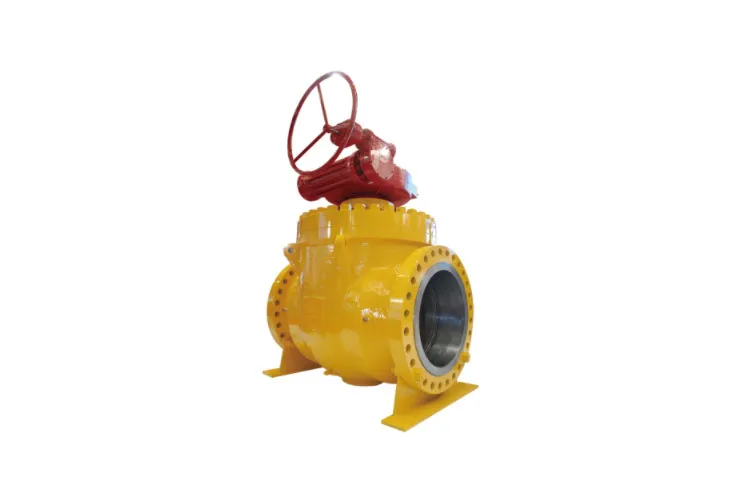
A trunnion mounted ball valve is a quarter-turn valve in which the ball is supported by trunnions (fixed shafts or bearings) at the top and bottom. Unlike a Floating ball valve where the ball is held only by the seats, the trunnion design secures the ball in position and allows the seats to move towards the ball to achieve sealing.
1.1 Key Characteristics
- Ball supported by trunnion bearings at both ends.
- Seats are spring-loaded or piston-effect and move towards the ball.
- Suitable for high pressure, large diameter pipelines.
- Low operating torque compared to floating ball valves.
- Commonly used in API 6D pipeline service and API 608/ISO 17292 process service.
1.2 Typical Applications
- Transmission and distribution pipelines (oil, gas, water).
- Offshore platforms and subsea manifolds.
- Refineries and petrochemical plants.
- Power plants (steam, condensate, cooling water).
- Chemical processing and tank farms.
2. Why Trunnion Mounted Ball Valve Maintenance Matters
Because trunnion mounted ball valves are often installed in high-pressure, high-cost, and safety-critical services, a preventive maintenance checklist is more than a formality. It is a core part of asset integrity management.
2.1 Main Objectives of Maintenance
- Maintain tight shut-off (internal and external leakage control).
- Preserve low operating torque and smooth operation.
- Extend service life of seats, seals, bearings, and stems.
- Prevent unplanned shutdowns or emergency repairs.
- Ensure compliance with safety and environmental regulations.
2.2 Consequences of Poor Maintenance
- Leakage to atmosphere through stem or body joints.
- Seat damage, erosion, and inability to isolate sections of pipeline.
- Increased torque, causing actuator or gearbox failure.
- Corrosion of body, end connections, and bolting.
- Higher life-cycle cost due to frequent replacement or refurbishment.
3. Typical Construction of a Trunnion Mounted Ball Valve
Understanding the main components helps to build an effective trunnion mounted ball valve maintenance checklist. The table below summarizes typical parts and their maintenance relevance.
Component |
Description |
Maintenance Focus |
Body |
Pressure-containing shell; may be cast or forged, one-piece, two-piece, or three-piece design. |
Inspect for corrosion, coating damage, mechanical impact, pressure boundary integrity. |
Ball |
Trunnion supported sphere with through bore; hard-faced or coated for wear resistance. |
Check for scoring, pitting, corrosion, coating wear, and debris accumulation. |
Trunnion |
Fixed shafts or journals supporting the ball at top and bottom. |
Verify alignment, lubrication (if applicable), and absence of play or deformation. |
Seats |
Spring-loaded or piston-effect seat rings that move towards the ball to seal. |
Monitor leakage, verify spring action, examine for wear, erosion, or extrusion of soft inserts. |
Stem |
Shaft transmitting torque from handle or actuator to ball. |
Inspect for leakage, bending, surface damage, and proper engagement with ball. |
Stem Seals / Packing |
O-rings, lip seals, or packing rings sealing the stem to the bonnet or body. |
Check for external leakage, aging, hardening, or chemical degradation. |
Body Seals |
Gaskets or O-rings between body and closures, bonnet, or end connections. |
Inspect for seepage, correct compression, and compatibility with medium. |
Gearbox / Actuator |
Manual gear operator, pneumatic, hydraulic, or electric actuator. |
Verify stroke, torque, limit settings, lubrication, and fastener tightness. |
Grease System |
Seats and/or stem injection fittings, check valves, and channels. |
Test injection points, ensure they are not blocked, and use correct lubricant or sealant. |
End Connections |
Flanged, welded, or threaded ends connecting to pipeline. |
Check gasket surfaces, welds, bolts, nuts, and signs of movement or leakage. |
4. Trunnion Mounted Ball Valve Maintenance Checklist Overview
A systematic trunnion mounted ball valve maintenance checklist typically contains:
- Pre-maintenance safety steps and isolation.
- External visual inspection items.
- Operational inspection (open/close cycles, torque, automation check).
- Leakage inspection (internal and external).
- Lubrication and grease injection tasks.
- Fasteners, joints, and support inspection.
- Function testing and documentation.
The following sections present detailed, SEO-friendly trunnion mounted ball valve maintenance checklist tables and explanations that can be used as templates for industrial maintenance programs.
5. Safety and Preparation Checklist
Before performing any trunnion mounted ball valve maintenance activity, safety and proper isolation are mandatory.
Step |
Task |
Details / Notes |
Completed (Yes/No) |
5.1 |
Review Documentation |
Check valve data sheet, P&ID, operating manual, pressure rating, medium, temperature, and maintenance history. |
|
5.2 |
Lockout/Tagout (LOTO) |
Apply LOTO procedures to upstream and downstream isolations, actuators, and related equipment. |
|
5.3 |
Depressurize and Drain |
Ensure line is fully depressurized and drained. Vent trapped pressure from valve cavity via bleed port if provided. |
|
5.4 |
Verify Zero Energy |
Confirm no residual pressure, mechanical movement, or stored energy in springs or actuators. |
|
5.5 |
Personal Protective Equipment (PPE) |
Wear PPE according to medium hazards (chemical, cryogenic, high temperature) and site rules. |
|
5.6 |
Work Permits |
Obtain hot work, confined space, or line breaking permits if required. |
|
6. External Visual Inspection Checklist
Regular visual inspection is the foundation of trunnion mounted ball valve maintenance. The following checklist focuses on external conditions.
Item |
Inspection Point |
What to Check |
Condition / Remarks |
6.1 |
Valve Body Surface |
Look for corrosion, coating damage, dents, cracks, impact marks, and signs of overheating or fire exposure. |
|
6.2 |
Nameplate and Markings |
Verify legible markings for size, pressure rating, material, flow direction, and valve tag number. |
|
6.3 |
Body Joints and Closures |
Inspect body-to-closure joints, bonnet connections, and threaded plugs for leakage or weeping. |
|
6.4 |
Stem Area |
Check for stem seal leakage, corrosion at gland area, and accumulation of dust or chemicals. |
|
6.5 |
Flange Connections |
Look for gasket leakage, rust on bolts and nuts, missing fasteners, and flange misalignment. |
|
6.6 |
Welded Ends |
For welded valves, visually inspect welds for cracks, corrosion, or undercut. |
|
6.7 |
Grease Fittings |
Inspect injection fittings for damage, caps in place, and contamination. |
|
6.8 |
Supports and Brackets |
Check support integrity, pipe stress on valve, and ensure no abnormal loads on body or actuator. |
|
6.9 |
Actuator or Gearbox Housing |
Inspect for oil leakage, broken sight glass, corrosion, loose covers, and missing breather plugs. |
|
6.10 |
Position Indicator |
Verify that the open/close indicator is present, visible, and correctly aligned with valve position. |
|
7. Operational Inspection Checklist
Operational checks are key elements of a trunnion mounted ball valve maintenance checklist. They confirm that the valve can perform its intended function under realistic conditions.
Item |
Test |
Details |
Result / Notes |
7.1 |
Manual Operation |
Cycle the valve fully open and fully closed. Note any sticking, vibration, or abnormal resistance. |
|
7.2 |
Torque Observation |
Compare operating torque with design or historical values when possible. Investigate sudden increases. |
|
7.3 |
Actuator Stroke Test |
For automated valves, perform open/close stroke while confirming limit switches, solenoids, and controls work correctly. |
|
7.4 |
Partial Stroke (if applicable) |
For emergency shutdown valves, test partial stroke capability according to site procedures. |
|
7.5 |
Position Feedback |
Verify position transmitters or limit switches correctly indicate valve position to control system. |
|
7.6 |
Noise and Vibration |
Monitor for unusual noise or vibration during operation which may indicate internal damage or cavitation. |
|
8. Internal and External Leakage Inspection
Leakage evaluation is a critical part of any trunnion mounted ball valve maintenance checklist. Depending on service conditions, this may be done in-line or during shop overhaul.
8.1 External Leakage Checklist
Item |
Location |
Inspection Method |
Observed Leakage (Yes/No) |
8.1.1 |
Stem Seal / Packing Area |
Visual check for wetness, bubbling with leak detection fluid, or gas detection equipment. |
|
8.1.2 |
Body Gaskets / Closures |
Inspect all joints, closures, and plugs with leak detection solution or thermal imaging if applicable. |
|
8.1.3 |
End Flanges |
Check gasket area around flanges, including under insulation if present. |
|
8.1.4 |
Pressure Taps / Vents |
Examine threaded plugs, vent valves, and test ports for any seepage. |
|
8.2 Internal Leakage Checklist (Seat Leakage)
Internal leakage assessment may involve in-line differential pressure checks, acoustic testing, or formal pressure tests during shutdowns.
Item |
Condition |
Evaluation Method |
Acceptability Criteria |
8.2.1 |
Seat Tightness (Closed Position) |
With differential pressure applied, monitor downstream pressure, flow, or acoustic emissions. |
According to valve class (e.g., API 6D, API 598, ISO 5208 leakage rate). |
8.2.2 |
Double Block and Bleed Function |
Close valve, open cavity bleed, verify no continuous flow from cavity. |
No continuous leakage according to design specification. |
8.2.3 |
Self-Relieving Seats |
Verify that cavity overpressure is relieved to upstream or downstream as designed. |
Function should be confirmed during pressure tests or simulated conditions. |
9. Lubrication and Greasing Checklist
Trunnion mounted ball valve lubrication is crucial to maintain smooth operation and proper sealing. Many designs incorporate seat and stem grease injection fittings.
9.1 General Lubrication Practices
- Use only approved valve lubricants or sealants compatible with service medium and temperature.
- Clean fittings before connection to avoid introducing contaminants.
- Avoid over-greasing which can block cavity pressure relief paths.
- Maintain a documented lubrication schedule as part of valve maintenance strategy.
9.2 Lubrication Checklist
Item |
Location |
Task |
Frequency (Typical) |
Remarks |
9.2.1 |
Seat Injection Fittings |
Inject seat lubricant/sealant while valve is partially open/closed as recommended by manufacturer. |
Every 6–12 months or per operating experience. |
Monitor injection pressure; stop if abnormal resistance indicates blockage. |
9.2.2 |
Stem Injection Point |
Inject stem lubricant to enhance sealing and reduce friction. |
Every 6–12 months or during major inspections. |
Observe for any lubricant escape around stem which may indicate seal wear. |
9.2.3 |
Gearbox Bearings |
Grease gearbox bearings and moving parts according to gearbox manual. |
Every 12 months or per gearbox specification. |
Check oil level if using oil-filled gearbox; top up as needed. |
9.2.4 |
Actuator Linkages |
Lubricate mechanical linkages, pins, and couplings. |
Every 6–12 months. |
Prevent corrosion and binding in exposed areas. |
10. Fasteners, Supports, and Alignment Checklist
Proper support and alignment help to prevent distortion of the trunnion mounted ball valve body, which could otherwise cause seat leakage or stem binding.
Item |
Inspection Point |
Check |
Condition / Remarks |
10.1 |
Body Bolts and Nuts |
Verify tightness, absence of corrosion, correct grade, and no missing fasteners. |
|
10.2 |
Flange Bolting |
Check uniform tightening pattern, use of proper gaskets, and no evidence of bolt yielding. |
|
10.3 |
Actuator Mounting Bolts |
Ensure actuator or gearbox is firmly mounted with no loose hardware or misalignment. |
|
10.4 |
Valve Supports |
Inspect pedestal, pipe shoes, hangers, and guides supporting the valve and adjacent piping. |
|
10.5 |
Misalignment Signs |
Look for stress marks, body distortion, flange face non-parallelism, and unusual torque. |
|
11. Periodic Maintenance Frequency for Trunnion Mounted Ball Valves
Actual maintenance frequency depends on service severity, criticality, and regulatory requirements. The following table shows indicative intervals for inclusion in a trunnion mounted ball valve maintenance checklist.
Activity |
Description |
Typical Interval |
Notes |
Visual Inspection |
Quick external inspection of body, flanges, stem area, and actuator. |
Monthly to quarterly |
More frequent in corrosive or outdoor environments. |
Operational Check |
Cycle valve and verify operation and position feedback. |
Quarterly to annually |
Consider partial stroke testing for emergency valves. |
Lubrication / Greasing |
Seat, stem, and gearbox lubrication as required. |
6–12 months |
Adjust based on torque trends and leakage performance. |
Leakage Assessment |
Check internal and external leakage using appropriate methods. |
Annually or at shutdown |
Critical valves may require more frequent tests. |
Major Overhaul |
Disassembly, internal inspection, seat and seal replacement as needed. |
3–5 years or per operating experience |
Typically performed during major plant turnarounds. |
12. Maintenance Record and Documentation Template
Structured records support audits, reliability analysis, and improvement of the trunnion mounted ball valve maintenance checklist over time.
Field |
Description |
Example Entry |
Valve Tag / ID |
Unique identification number used on P&ID and asset register. |
BV-1203-TM |
Location |
Plant area, line number, and service description. |
Export Gas Line, 24", 80 bar |
Valve Type |
Description of valve design and standard. |
Trunnion mounted ball valve, API 6D |
Size and Rating |
Nominal size and pressure class. |
DN 600, Class 600 |
Medium |
Fluid type and key properties. |
Sweet natural gas, -10 °C to 60 °C |
Maintenance Date |
Date of performed maintenance activities. |
2026-03-10 |
Tasks Performed |
Summary of items completed from maintenance checklist. |
Visual inspection, lubrication, leakage test |
Findings |
Abnormal conditions, measurements, and test results. |
Slight stem weep, torque increased 15% |
Corrective Actions |
Repairs, adjustments, component replacements. |
Repacked stem, adjusted limit switches |
Next Due Date |
Planned date or interval for next maintenance. |
2027-03-10 |
Technician / Inspector |
Name and signature of responsible person. |
John Smith |
13. Advantages of Trunnion Mounted Ball Valves
Understanding the inherent advantages of trunnion mounted ball valves helps justify investment in proper maintenance and in-depth checklists.
13.1 Main Advantages
- Low Operating Torque: Seat rings move towards a fixed ball, reducing torque and enabling smaller actuators.
- Suitability for Large Sizes: Preferred for large diameter pipelines (e.g., DN 150 and above) where floating ball designs become impractical.
- High Pressure Capability: Robust trunnion support and seat design handle high-pressure service in oil and gas pipelines.
- Double Block and Bleed (DBB): Many trunnion mounted ball valves provide tight isolation with cavity bleed capability for safety.
- Seat Self-Relieving Options: Cavity pressure relief features prevent over-pressurization between seats.
- Versatile Sealing: Combination of soft and metal seats can be selected for severe service, high temperature, or erosive media.
13.2 Maintenance-Related Advantages
- Accessible seat and stem injection fittings simplify in-line lubrication and emergency sealing.
- Stable ball alignment reduces seat wear and prolongs service life when properly supported.
- Predictable torque profile enables early detection of internal damage via torque monitoring.
14. Typical Technical Specifications for Trunnion Mounted Ball Valves
Technical specifications influence both the content and frequency of trunnion mounted ball valve maintenance checklists. The following data are typical industry ranges and do not represent any specific manufacturer.
Parameter |
Typical Range / Options |
Relevance to Maintenance |
Nominal Size |
DN 50 to DN 2000 (NPS 2" to 80") |
Larger valves need more rigorous support and frequent inspection for alignment and torque. |
Pressure Class |
ASME Class 150 to 2500 (and API 3000–15000 psi) |
Higher pressure service requires stricter leakage control and more frequent safety checks. |
End Connections |
Flanged (RF, RTJ), welded (BW), hub, or clamp connections. |
Flanged joints need bolt and gasket inspection; welded ends need weld integrity checks. |
Body Materials |
Carbon steel, low-temperature steel, stainless steel, duplex, alloy steel. |
Material selection impacts corrosion inspection, NDT needs, and external coating maintenance. |
Seat Materials |
Soft seats (PTFE, reinforced PTFE, PEEK) or metal seats (hard-faced). |
Soft seats may require more frequent replacement; metal seats need erosion and leakage monitoring. |
Sealing Class |
Leakage rates according to API 6D, API 598, ISO 5208, or ANSI Class VI. |
Defines acceptable internal leakage levels for periodic tests. |
Temperature Range |
Typical: -196 °C (cryogenic) to +450 °C, depending on design and materials. |
Extreme temperatures influence seal aging, lubrication selection, and inspection intervals. |
Operation |
Manual lever, gearbox, pneumatic, hydraulic, or electric actuator. |
Actuator type drives specific checks (air supply, hydraulic oil, electrical signals). |
Design Standards |
API 6D, API 608, ISO 17292, ASME B16.34, BS EN standards. |
Standard defines pressure testing methods and baseline maintenance expectations. |
Fire-Safe Design |
Compliant with fire-safe standards (e.g., API 607, ISO 10497). |
Fire-safe seats and seals require periodic verification of integrity in fire-risk applications. |
15. Troubleshooting Common Problems in Trunnion Mounted Ball Valves
The trunnion mounted ball valve maintenance checklist should be complemented by troubleshooting guidelines so technicians can respond effectively to common issues.
Symptom |
Possible Cause |
Recommended Action |
High Operating Torque |
Seat contamination, lack of lubrication, misalignment, damaged trunnion bearings. |
Flush valve if possible, lubricate seats and stem, inspect supports, schedule internal inspection if torque remains high. |
External Leakage at Stem |
Worn packing or seals, incorrect packing adjustment, stem surface damage. |
Tighten gland follower if design allows, inject stem sealant if available, plan for packing replacement. |
Internal Seat Leakage |
Seat wear, debris on sealing surfaces, damaged soft seats, erosion. |
Operate valve to attempt self-cleaning, inject seat sealant for temporary mitigation, schedule overhaul for seat replacement. |
Actuator Fails to Stroke |
Loss of power or air, faulty solenoid valves, mechanical binding between actuator and valve. |
Verify power supply, test controls, decouple actuator to check free movement of valve and actuator separately. |
Cavity Overpressure |
Blocked relief path, failure of self-relieving seat design, trapped thermal expansion. |
Ensure cavity bleed function is available and operable, inspect for seat design issues during overhaul. |
Corrosion of Body and Bolting |
Harsh environment, damaged coatings, galvanic effects, inadequate protection. |
Clean and re-coat surfaces, replace corroded bolts with suitable material, improve environmental shielding. |
16. Best Practices for Implementing a Trunnion Mounted Ball Valve Maintenance Program
A comprehensive trunnion mounted ball valve maintenance checklist is only effective when integrated into a systematic maintenance program.
16.1 Integration with Asset Management
- Link valve tags to a computerized maintenance management system (CMMS).
- Store inspection results, test data, and torque trends in a centralized database.
- Use historical data to refine inspection intervals and prioritize critical valves.
16.2 Condition-Based Maintenance
- Monitor torque, leakage, and cycle frequency as condition indicators.
- Adopt acoustic emission or ultrasound testing for in-line leak detection on critical valves.
- Use vibration and temperature monitoring for actuated valves in severe service.
16.3 Training and Procedures
- Train maintenance personnel on specific characteristics of trunnion mounted ball valves.
- Standardize checklists across plants while allowing customization per service.
- Emphasize safety, including proper isolation, venting, and pressure verification.
17. SEO-Focused Keywords and Phrases for Trunnion Mounted Ball Valve Maintenance
For websites and industrial blogs, consistent keyword usage improves discoverability. The following keyword phrases can be naturally integrated throughout content:
- trunnion mounted ball valve maintenance checklist
- preventive maintenance for trunnion ball valves
- API 6D trunnion mounted ball valve inspection
- industrial ball valve lubrication schedule
- double block and bleed ball valve maintenance
- pipeline valve inspection and testing procedure
- seat leakage testing for trunnion mounted ball valves
- ball valve torque monitoring and troubleshooting
- oil and gas trunnion ball valve maintenance plan
- valve maintenance checklist template for process plants
Embedding these phrases within headings, paragraphs, and meta descriptions helps search engines understand that the page provides in-depth information about trunnion mounted ball valve maintenance practices.
A detailed and well-structured trunnion mounted ball valve maintenance checklist is essential for safe and reliable operation of critical pipeline and process systems. By combining visual inspection, operational testing, leakage evaluation, lubrication routines, and thorough documentation, operators can extend valve life, reduce unplanned downtime, and comply with regulatory and safety requirements.
The information in this guide is based on general industry practice and covers definitions, advantages, typical specifications, and recommended maintenance tasks for trunnion mounted ball valves. It can be used as a foundation for site-specific procedures, maintenance manuals, blog articles, or industrial reference pages focused on trunnion mounted ball valve maintenance checklists.
“`






 Phone