
Login | Register
News
صفحه اول > مرکز خبر > اخبار صنعت

Fixed Ball Valve for Chemical Processing Plants
2026-05-31 06:33:20

Fixed Ball Valve for Chemical Processing Plants


Fixed Ball Valve for Chemical Processing Plants: Complete Technical Guide

A fixed ball valve for chemical processing plants is a critical shut‑off and flow‑control device designed to handle aggressive chemicals, corrosive media, and demanding operating conditions. This type of industrial valve is widely used in chemical manufacturing units, petrochemical complexes, pharmaceutical production, and other processing facilities where safety, reliability, and leak‑tight performance are essential.

This guide explains the definition, working principle, design features, material options, standards, sizing, advantages, and selection criteria for fixed ball valves in chemical processing environments. The content is written in clear technical English, SEO‑friendly, and structured for easy indexing by search engines.

What Is a Fixed Ball Valve?

A fixed ball valve (also called a trunnion‑mounted ball valve) is a quarter‑turn valve in which the ball is mechanically supported at the top and bottom by trunnions or bearing supports. Unlike Floating ball valves where the ball moves slightly downstream to seal, the ball in a fixed design is held firmly in position while the seat rings are spring‑loaded or pressure‑energized to achieve a tight seal.

In chemical processing plants, fixed ball valves are preferred for:

  • High pressure and large diameter chemical pipelines
  • High cycle, frequent On/Off service
  • Aggressive and corrosive fluids such as acids, caustics, solvents
  • Slurry or dirty service where stable support of the ball is beneficial

Key Characteristics of Fixed Ball Valves

The design characteristics of fixed ball valves for chemical plants include:

  • Trunnion‑mounted ball supported at both ends
  • Spring‑loaded seat rings that move towards the ball
  • Reduced operating torque compared to floating ball valves
  • Bi‑directional sealing in many designs
  • Fire‑safe construction for flammable media
  • Multiple body configurations (two‑piece, three‑piece, top entry)
  • Availability in a wide range of corrosion‑resistant materials

How a Fixed Ball Valve Works

The working principle of a fixed (trunnion‑mounted) ball valve is based on a quarter‑turn rotation of the ball to open or close the flow path:

  1. Open position: When the ball’s bore is aligned with the pipeline, fluid flows through the valve with minimal pressure drop.
  2. Closing operation: Rotating the ball 90 degrees positions the solid part of the ball against the seat rings, shutting off the flow.
  3. Fixed ball support: The ball is mounted on trunnions or shafts at the top and bottom, which keep it in a fixed position.
  4. Seat movement: The seats, not the ball, move slightly towards the ball under spring force and line pressure to create a tight seal.

Because the ball does not float downstream, sealing forces are distributed between the seats and trunnions. This greatly reduces seat wear and required operating torque, which is especially important in larger diameter chemical pipelines with high system pressure.

Floating Ball vs Fixed Ball Valve in Chemical Service

In chemical processing plants, engineers must choose between floating ball valves and fixed ball valves based on process conditions. The table below highlights the main differences.

Feature Floating Ball Valve Fixed (Trunnion‑Mounted) Ball Valve
Ball support Ball supported by two seats, free to move slightly Ball supported by trunnions/shafts at top and bottom
Typical size range Small to medium (up to approx. DN 200 / 8″) Medium to very large (DN 50 to DN 1200 and above)
Pressure capability Low to medium pressure Medium to very high pressure
Operating torque Higher torque at large sizes and high pressure Lower torque, more suitable for automation
Seat loading mechanism Line pressure pushes ball against downstream seat Springs and line pressure push seats against fixed ball
Applications in chemical plants Smaller lines, utility service, low pressure chemical transfer Main process lines, high pressure, critical isolation, large diameters
Wear distribution Higher seat wear at downstream side Balanced load; extended seat life
Cost Typically lower initial cost Higher cost but lower operating and maintenance cost over lifecycle

Common Applications in Chemical Processing Plants

A fixed ball valve for chemical processing plants is used in multiple sections of the facility:

  • Feedstock handling: Isolation and control of raw chemical feeds such as naphtha, benzene, olefins, acids, caustic solutions, and solvents.
  • Reaction units: High‑pressure and high‑temperature process lines associated with reactors and synthesis units.
  • Distillation and separation: Column feed lines, reflux lines, bottoms transfer, and overhead product lines.
  • Storage and loading: Valve manifolds for tank farms, truck and rail loading skids, and ship loading terminals.
  • Utilities and offsites: Steam, cooling water, inert gas lines where robust isolation is required near hazardous chemicals.
  • Safety systems: Emergency shutdown valves (ESDVs) on critical chemical transfer lines.

Design Features of Fixed Ball Valves for Chemical Service

To perform reliably in chemical plants, fixed ball valves incorporate specific design features for corrosion resistance, sealing, and safety.

1. Body Configurations

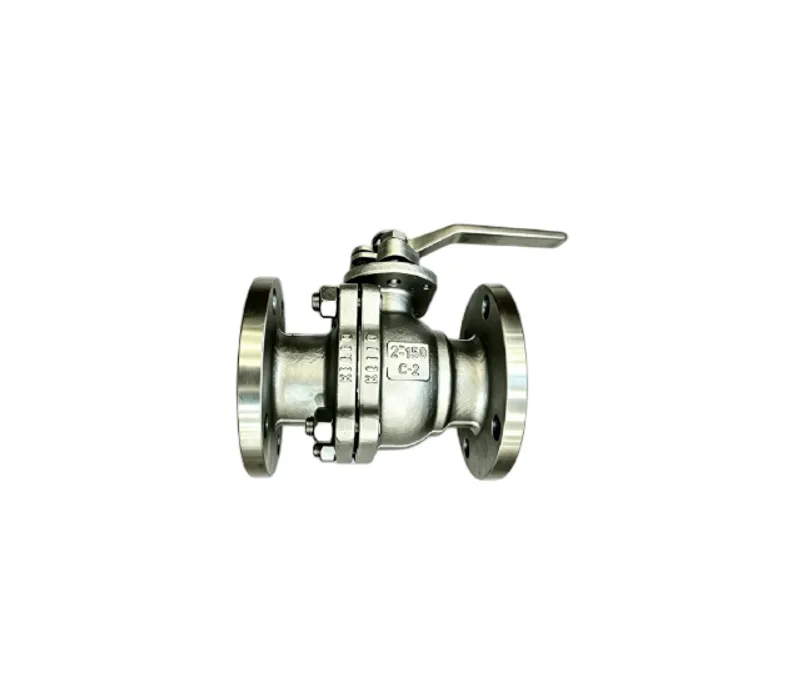
  • Two‑piece body: Widely used industrial design; good balance of cost and performance.
  • Three‑piece body: Allows easy in‑line maintenance; body center section can be removed without disturbing pipe alignment.
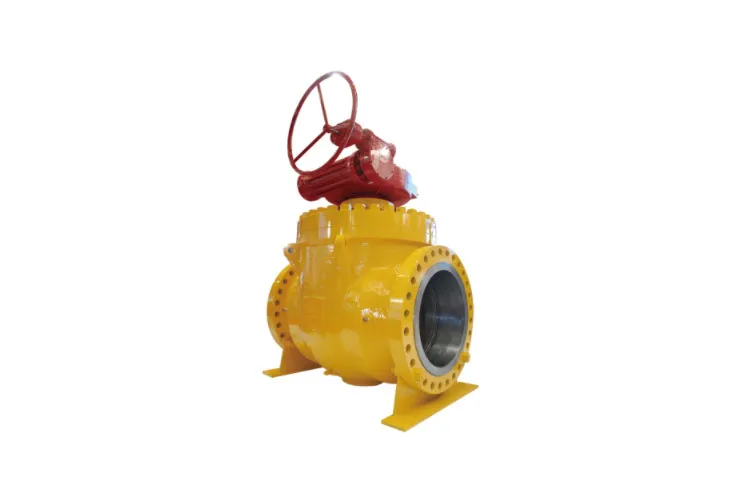
  • Top entry body: Internal components can be accessed from the top with the valve in place, ideal for critical chemical service where downtime is expensive.

2. End Connections

  • Flanged ends: ASME / EN flanges commonly used in chemical plant piping systems.
  • Butt‑weld ends: For permanent installation in high pressure or high‑temperature chemical systems.
  • Socket‑weld or threaded ends: Smaller valves in utility or auxiliary lines.

3. Seat and Seal Materials

Seat and seal materials are vital in defining chemical compatibility and temperature capability:

  • PTFE (Polytetrafluoroethylene): Excellent chemical resistance, suitable for many acids, bases, and solvents; limited upper temperature.
  • Reinforced PTFE (R‑PTFE, glass‑filled PTFE): Enhanced wear, pressure, and temperature performance.
  • PEEK (Polyether ether ketone): High temperature, good chemical and mechanical properties.
  • Metal seats (Stellite, hard‑faced alloys): For high temperature, erosive service, and fire‑safe capability.
  • Elastomeric seals (FKM, EPDM, NBR, FFKM): Used for O‑rings and secondary seals depending on chemical medium.

4. Stem and Anti‑Blowout Design

Fixed ball valves for chemical plants use an anti‑blowout stem design to prevent the stem from being ejected under pressure. The stem is typically inserted from the inside of the valve body and retained by the gland and housing. This safety feature is particularly important in high‑pressure and toxic chemical service.

5. Fire‑Safe Construction

Where flammable chemicals, solvents, or hydrocarbons are handled, fire‑safe design is required. Fire‑safe fixed ball valves typically include:

  • Metal‑to‑metal backup seating when soft seats are damaged by fire
  • Fire‑safe stem packing and body gaskets
  • Compliance with standards such as API 607 or API 6FA

6. Cavity Relief and Double Block & Bleed

In chemical service, cavity pressure build‑up between seats can be hazardous. Fixed ball valves often incorporate:

  • Automatic cavity pressure relief: Seat design allows overpressure in the body cavity to relieve to the upstream or downstream side.
  • Double block and bleed (DBB): Valves with two independent seals and a bleed port to verify isolation and drain or vent the cavity.

Typical Materials for Fixed Ball Valves in Chemical Plants

The choice of valve body, ball, stem, and trim materials is critical for corrosion resistance and mechanical strength in chemical environments. The table below summarizes common options.

Component Common Materials Typical Chemical Service
Body Carbon steel (A105, WCB) Non‑corrosive chemical utilities, hydrocarbons with corrosion allowance
Body Stainless steel (CF8M / 316, CF3M / 316L) Acids, caustics, chlorides, general chemical process streams
Body Duplex and super duplex stainless steel High chloride content, seawater in chemical plants, stress corrosion environments
Body / Trim Alloy 20, Hastelloy, Monel, Inconel Highly corrosive acids, strong oxidizing agents, specialty chemicals
Ball Stainless steel, hard‑coated stainless, alloy overlays Corrosive and erosive chemical flows
Seats PTFE, R‑PTFE, PEEK General chemical service, moderate temperature
Seats Metal‑seated (stellite, tungsten carbide) High temperature, slurry, abrasive or severe service
Seals / Gaskets Graphite, PTFE, FKM, FFKM Fire‑safe design, high temperature, strong acids, solvents

Performance Parameters and Specification Range

Fixed ball valves for chemical processing plants are available in a wide range of sizes, pressure classes, and configurations. The table below gives a typical specification overview (actual ranges depend on manufacturer and design code).

Parameter Typical Range / Options Notes for Chemical Processing Plants
Size (DN / NPS) DN 25 to DN 1200 (1″ to 48″) Smaller and larger sizes may be available for specific projects
Pressure class Class 150 to Class 2500 (PN 16 to PN 420) Selection based on design pressure and piping class
Temperature range -196 °C to +400 °C (cryogenic to high temperature) Depends heavily on body, seat, and seal materials
End connections Flanged, butt‑weld, socket‑weld, threaded Flanged and butt‑weld are most common in chemical plants
Bore type Full bore, reduced bore Full bore for piggable lines or minimal pressure drop
Operation Manual, gear‑operated, pneumatic actuator, electric actuator, hydraulic actuator Actuated valves used extensively for remote and automated control
Shut‑off class ISO 5208 leakage rate A or API 598 zero leakage Required for isolation in hazardous chemical service
Design standards API 6D, ISO 17292, ASME B16.34 Common standards for industrial and pipeline ball valves
Testing standards API 598, API 6D test requirements Hydrostatic and seat leakage tests performed per standards
Fire‑safe certification API 607, API 6FA Recommended for flammable and combustible chemical service

Advantages of Fixed Ball Valves in Chemical Processing Plants

Selecting a fixed ball valve for chemical processing plants offers multiple operational and safety advantages:

  • High reliability in harsh service: Trunnion support enhances stability under high pressures and turbulent flow.
  • Low operating torque: Reduced torque makes automation easier and minimizes actuator size and cost.
  • Extended seat life: Balanced load on seats reduces wear, particularly in high pressure chemical lines.
  • Excellent shut‑off performance: Tight sealing with zero or near‑zero leakage, critical for toxic and hazardous chemicals.
  • Wide material compatibility: Available in special alloys for corrosive acids, chlorides, caustics, and solvents.
  • Versatile configurations: Options for double block and bleed, fire‑safe design, and cavity relief.
  • Suitable for automation: Compatible with electric, pneumatic, and hydraulic actuators, integrating easily into plant control systems.
  • Low pressure drop: Full‑bore design minimizes turbulence and energy loss.

Disadvantages and Limitations

While highly effective, fixed ball valves also have some limitations that must be considered in design and selection:

  • Higher initial cost: More complex construction than floating ball valves, especially in larger sizes and special alloys.
  • More complex maintenance: Internal components and trunnion assemblies can require careful servicing.
  • Not ideal for high throttling duty: Best suited for On/Off service; continuous throttling can cause seat erosion if not specifically designed as a control valve.
  • Potential for cavity build‑up: Requires appropriate cavity relief design when handling volatile or polymerizing chemicals.

Standards and Codes Relevant to Fixed Ball Valves

Fixed ball valves used in chemical processing plants are designed and tested according to international standards to ensure safety and performance:

  • API 6D: Specification for pipeline and piping ball valves, including trunnion‑mounted designs.
  • ISO 17292: Metal ball valves for the petroleum, petrochemical, and allied industries.
  • ASME B16.34: Valves – Flanged, threaded, and welding end; defines pressure‑temperature ratings and materials.
  • API 598: Valve inspection and testing; standard leakage and pressure testing procedures.
  • API 607 / API 6FA: Fire test standards for soft‑seated and pressure‑containing valves.
  • ISO 5211: Mounting interface dimensions for part‑turn valve actuators.
  • ISO 15848: Fugitive emissions testing standards for valves; important for reducing volatile organic compound emissions.

Selection Guidelines for Fixed Ball Valves in Chemical Plants

Selecting the right fixed ball valve for chemical processing plants involves evaluating process data, piping class, and safety requirements. Important selection criteria include:

1. Process Medium

  • Type of chemical: acids, bases, solvents, polymerizing monomers, slurries.
  • Corrosivity and compatibility with body and trim materials.
  • Presence of solids or suspended particles that could cause erosion or jamming.

2. Pressure and Temperature

  • Maximum and minimum operating pressure.
  • Design pressure according to piping code.
  • Normal, minimum, and maximum operating temperature.
  • Transient conditions: pressure surges, temperature spikes during cleaning or sterilization.

3. Required Function

  • On/Off isolation only, or some degree of throttling.
  • Manual or automated operation (pneumatic, electric, hydraulic actuation).
  • Fail‑safe position requirements: fail closed or fail open on loss of power or air.

4. Environmental and Safety Requirements

  • Need for fire‑safe design when handling flammable media.
  • Fugitive emission limits and need for low‑emission packing.
  • Double block and bleed or double isolation requirements for maintenance safety.

5. Installation and Maintenance

  • Space limitations and orientation in the piping system.
  • Accessibility for inspection, repair, and seat replacement.
  • Connections: flanged for easier removal, butt‑weld for permanent critical lines.

Installation Considerations in Chemical Processing Plants

Proper installation of fixed ball valves in chemical pipelines ensures long‑term reliability and safety:

  • Confirm the valve is suitable for the line pressure class and chemical compatibility.
  • Inspect valve internals for cleanliness; remove protective packaging carefully.
  • Ensure correct flow direction if the design is unidirectional or has a preferred direction.
  • Align flanges or weld ends carefully to avoid excessive piping stress on the valve body.
  • Support heavy valves to prevent loading on the pipeline and trunnion assembly.
  • Install actuators according to manufacturer instructions; check limit switches and positioners.

Operation and Maintenance of Fixed Ball Valves

A well‑planned maintenance program extends the life of fixed ball valves in chemical processing plants:

  • Regular inspection: Check for external leakage, corrosion, and abnormal vibration.
  • Operational checks: Cycle the valve to ensure smooth operation and verify actuator response.
  • Packing adjustment: Tighten stem packing if minor stem leakage is observed, following torque guidelines.
  • Seal replacement: Over time, seats and seals may degrade under aggressive chemicals; replace during shut‑downs as per maintenance schedule.
  • Cleaning of cavity: In services prone to polymerization or solid build‑up, clean the valve internals according to plant procedures.

Fixed Ball Valve vs Other Valve Types in Chemical Plants

Engineers often compare fixed ball valves with other industrial valve types when designing chemical processing systems:

  • Gate valves: Suitable for On/Off service but usually slower to operate and heavier; not ideal for frequent cycling.
  • Globe valves: Better for throttling control; higher pressure drop and more complex internals compared to ball valves.
  • Butterfly valves: Compact and lightweight for large sizes; may not offer the same tight shut‑off as a high‑quality fixed ball valve.
  • Plug valves: Good for certain slurry and corrosive services; can have higher operating torque.

For critical chemical isolation, high pressure lines, and large diameters, the fixed ball valve often provides the best balance between shut‑off performance, torque requirements, material flexibility, and long‑term cost of ownership.

Typical Specification Sheet Example

The following table illustrates a generic specification sheet that might be used in a chemical processing plant for selecting a fixed ball valve. Values are for illustration and must be adapted to actual project conditions.

Item Specification
Valve type Fixed (trunnion‑mounted) ball valve, two‑piece body
Size DN 200 (NPS 8″)
Pressure class Class 300
End connection Flanged, RF, ASME B16.5
Body material ASTM A351 CF8M (316 stainless steel)
Ball and stem 316 stainless steel with hard‑faced coating
Seat material R‑PTFE
Seals and packing Graphite / PTFE combination, low‑emission design
Operation Pneumatic actuator, fail‑closed, with solenoid and limit switches
Service Corrosive solvent in distillation unit
Design standard API 6D, ASME B16.34
Testing API 598 seat and shell test
Fire‑safe Certified per API 607
Special requirements Anti‑static device, ISO 5211 mounting pad, painting for chemical plant environment

Fugitive Emissions and Environmental Compliance

Chemical processing plants must control fugitive emissions of volatile organic compounds and other hazardous chemicals. Fixed ball valves play a significant role in achieving emission targets:

  • Use of low‑emission stem packing systems tested to ISO 15848 or equivalent.
  • Improved body gaskets to reduce body‑to‑end connection leakage.
  • High‑integrity actuator mounting to prevent stem misalignment and packing wear.

Trends in Fixed Ball Valve Technology for Chemical Plants

Modern fixed ball valves for chemical processing plants incorporate advanced technologies:

  • Advanced coatings: Hard‑faced ball and seat coatings to resist erosion and chemical attack.
  • Smart actuators: Integrated positioners, diagnostics, and communication protocols (HART, Foundation Fieldbus, Profibus) for predictive maintenance.
  • Improved corrosion‑resistant alloys: Wider availability of duplex, super duplex, and nickel‑based alloys.
  • Enhanced sealing systems: Packings and gaskets developed for ultra‑low emissions and extended service life.

Conclusion

A fixed ball valve for chemical processing plants is a robust, high‑performance solution for isolating and controlling chemical flows in demanding service. Its trunnion‑mounted design provides stability, low operating torque, and excellent shut‑off performance over a broad range of pressures, temperatures, and chemical media.

By selecting the correct materials, seat designs, standards compliance, and actuation options, plant engineers can ensure long service life, high safety, and regulatory compliance in chemical manufacturing, petrochemical processing, and related industrial facilities.

شخص رابط: مکس.سونگ (سونگشان)

عنوان: مدیر کل

موبایل: +86 15611322632

تلفن: +86 10 89282693

ایمیل: international@bvmc.com

آدرس: پلاک ۳، جاده لوهای، شهر پانگژوانگ، منطقه داکسینگ، پکن


facebook twitter youtube linkedin

حق چاپ © Beijing Valve Factory Co., Ltd

نقشه سایت

این وب سایت از کوکی ها استفاده می کند تا اطمینان حاصل شود که بهترین تجربه را در وب سایت ما به دست می آورید.

قبول کنید رد کردن