
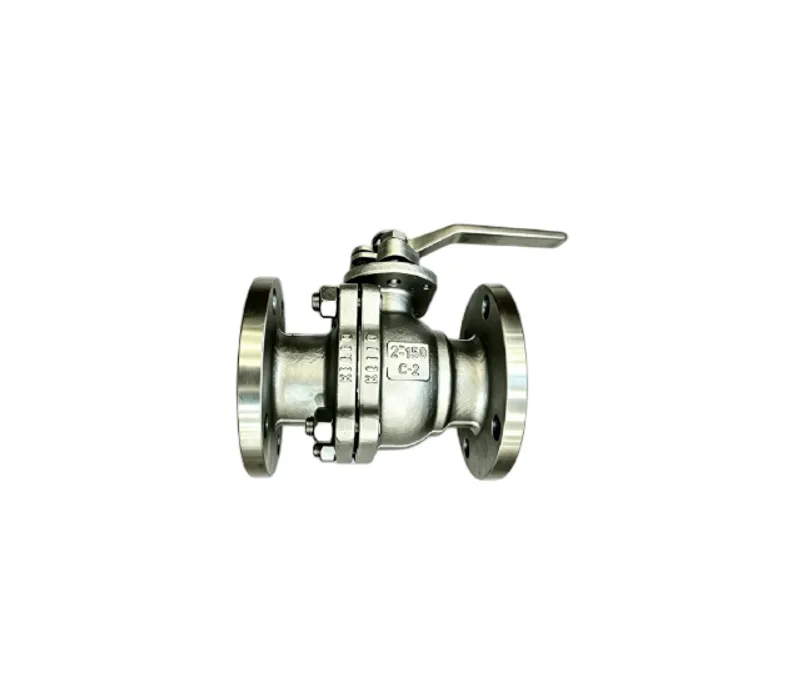
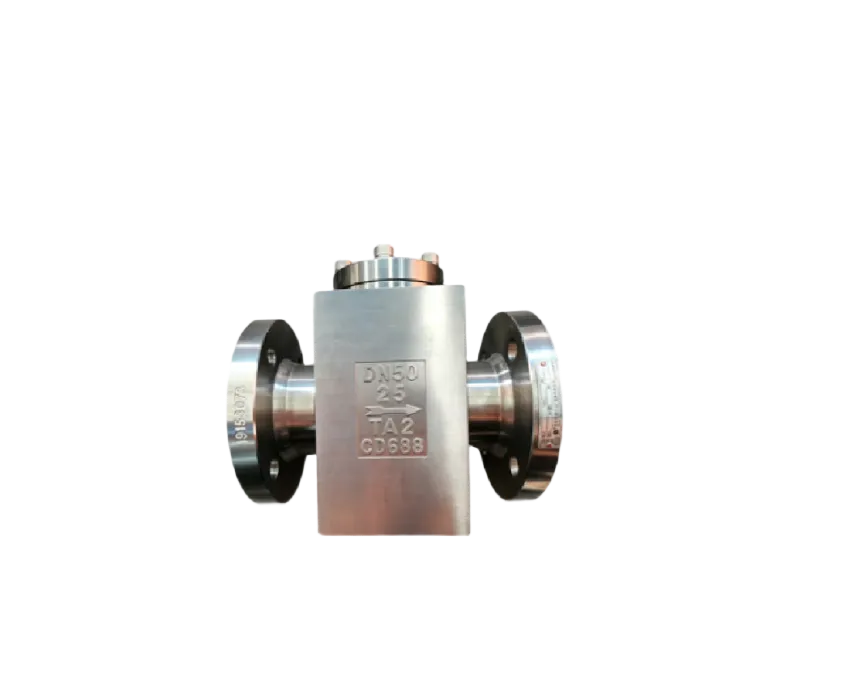
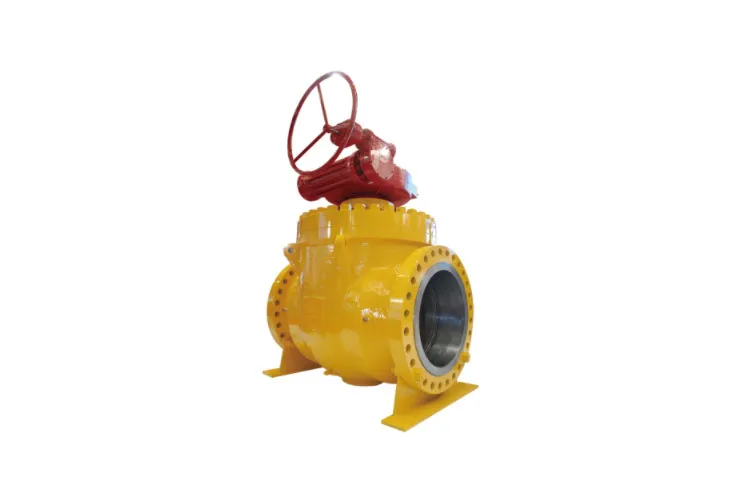



Trunnion Mounted Ball Valve for Energy Industry Applications
A trunnion mounted ball valve is one of the most widely used isolation valve types in the global energy sector.
From upstream oil and gas production to midstream pipelines and downstream petrochemical and power plants,
this valve design offers reliable shut-off, low operating torque and long service life under demanding conditions.
The following guide explains what a trunnion mounted ball valve is, how it works, where it is used, and what
engineers and specifiers should consider when selecting this valve type for energy industry applications.
A trunnion mounted ball valve is a quarter-turn valve in which the ball is mechanically supported at both the
top and bottom by trunnions (stub shafts). These trunnions hold the ball firmly in position, while the line
pressure drives the floating seats against the ball to achieve tight sealing. Unlike a Floating ball valve,
the ball in a trunnion design does not move downstream under pressure; instead, it rotates around its axis,
supported by bearings and trunnions.
In energy industry pipelines, process units and utility systems, the trunnion mounted ball valve is widely
selected for high-pressure, large-diameter and severe service applications where tight shut-off, bubble-tight
sealing and low operating torque are essential for safe and efficient operation.
For energy industry engineers and maintenance teams, the most important features of trunnion mounted ball valves include:
The operating principle of a trunnion mounted ball valve is straightforward yet highly engineered for performance.
The ball contains a through-bore that allows process fluid to flow when aligned with the pipeline. When the operator
or actuator turns the stem 90 degrees, the ball rotates so that the bore is perpendicular to the pipeline, blocking the flow.
The ball itself is rigidly supported by trunnion shafts. The upper trunnion is typically integrated with the stem or connected
to it, while the lower trunnion is supported in the bottom of the valve body. Around the ball, spring-loaded or elastomer-backed
seat rings move slightly under the influence of line pressure, pressing against the ball surface to form a seal.
Because the line pressure pushes the seats, not the ball, sealing force is distributed more evenly. This configuration reduces
seat wear, limits the torque required to rotate the ball and ensures more stable performance under fluctuating pressure and
temperature conditions—critical requirements in energy industry applications.
When specifying ball valves for energy sector service, a common decision is whether to use a trunnion mounted ball valve
or a floating ball valve. Each design has advantages. The table below summarizes the major differences in terms of
application, size, pressure, torque and cost considerations.
| Characteristic | Trunnion Mounted Ball Valve | Floating Ball Valve |
|---|---|---|
| Ball Support | Ball supported at top and bottom by trunnions | Ball unsupported; held between two seats |
| Typical Size Range | Medium to very large sizes (e.g. 2" and above; commonly used in 6"–60") | Small to medium sizes (typically up to 10"–12") |
| Pressure Class | Suitable for medium to very high pressure (up to class 2500 and beyond) | Commonly low to medium pressure (up to class 600/900 depending on design) |
| Operating Torque | Lower torque, especially for larger sizes and higher pressures | Higher torque due to line pressure forcing ball against downstream seat |
| Seat Loading | Seat energized by springs and line pressure, more controlled contact | Ball is pushed into downstream seat; higher localized seat stress |
| Leakage Performance | Excellent tight shut-off; widely used where bubble-tight isolation is required | Good shut-off, generally suitable for standard process isolation |
| Typical Applications | Pipelines, trunk lines, high-pressure process units, export lines, compressor discharge | Utility services, low-pressure lines, smaller isolation points, general industrial use |
| Weight & Complexity | Heavier, more complex internal structure, more components | Lighter, simpler design |
| Cost Level | Higher initial cost; lower lifetime cost for suited applications | Lower initial cost; may be less economical in large high-pressure services |
The trunnion mounted ball valve offers multiple advantages that match the technical and safety demands of the energy industry:
Trunnion mounted ball valves are used throughout the energy value chain. The following sections highlight common
applications in upstream, midstream and downstream segments, as well as in power generation and renewable energy projects.
In upstream environments, trunnion mounted ball valves are selected for their ability to handle multiphase flow,
sour service, high pressure and variable process conditions. Materials and seat designs are often customized based
on CO2, H2S and sand content.
In midstream service, the trunnion mounted ball valve is a standard choice for main-line block valves due to its
tight shut-off, fast quarter-turn operation and compatibility with pipeline pigging requirements. Emergency shutdown (ESD)
and remote operation are common through electric or pneumatic actuators.
Trunnion mounted ball valves in downstream plants must withstand high temperatures, cyclic loading, and exposure
to aggressive chemicals. Fire-safe, anti-static and low-emission designs are critical for meeting plant safety and
environmental standards.
In power plants, reliability and fast operation are essential. Trunnion mounted ball valves support automated safety
functions, rapid isolation and compatibility with digital control systems via actuators.
For emerging renewable and low-carbon energy projects, trunnion mounted ball valves are adapted with suitable materials,
seals and design features to manage new media such as high-purity hydrogen, CO2 streams and corrosive geothermal brines.
Trunnion mounted ball valves for the energy industry are available in various body constructions, seat configurations and
end connections. The choice depends on pipeline design, maintenance philosophy, pressure class and regulatory requirements.
| Body Type | Description | Energy Industry Usage |
|---|---|---|
| Two-piece split body | Body divided into two major sections bolted together | Widely used in transmission pipelines and process lines where good maintainability is required |
| Three-piece body | Body split into three sections; allows easier internal access | Common in process plants where frequent maintenance or seat replacement is expected |
| Fully welded body | All-welded construction without external body bolts | Preferred for buried pipelines, subsea systems and applications where external leakage must be minimized |
| Top-entry body | Access to internal components through bonnet/top cover | Ideal for large-size valves in plants and pipelines where inline maintenance is important |
Material selection is critical in energy industry applications due to pressure, temperature, corrosive media and safety requirements.
Typical materials for trunnion mounted ball valves include:
Energy industry specifications for trunnion mounted ball valves typically cover size, pressure class, temperature range, materials,
testing and special design features. The following table provides representative ranges used in many projects.
Actual limits depend on detailed engineering and product design.
| Parameter | Typical Range / Options |
|---|---|
| Nominal Size (DN/NPS) | From 2" (DN 50) up to 60" (DN 1500) or larger |
| Pressure Class | ASME Class 150, 300, 600, 900, 1500, 2500 and equivalent ratings |
| Temperature Range | Approximately -196 °C to +450 °C or higher depending on materials and seat design |
| Body Materials | Carbon steel, low-temperature carbon steel, stainless steel, duplex, super duplex, nickel alloys |
| Ball and Seat Materials | Stainless steel, hard-faced alloy overlays, metal seats, soft seats (PTFE, PEEK, etc.) |
| End Connections | Flanged (RF, RTJ), butt-weld, socket-weld, hub connections |
| Operation | Manual lever or gear, pneumatic actuator, hydraulic actuator, electric actuator |
| Design Standards | API 6D, API 608, ISO 17292, ASME B16.34, others as specified |
| Leakage Class | API 598, ISO pneumatic test levels; bubble-tight shut-off for many energy applications |
| Fire-safe Certification | API 607, API 6FA or ISO 10497 |
Energy pipelines and process units require reliable isolation to prevent product loss, environmental incidents and safety hazards.
Trunnion mounted ball valves are typically designed to provide tight shut-off, often referred to as bubble-tight sealing.
Testing is performed according to standards such as API 6D, API 598 and relevant ISO standards to verify leakage rates.
Because of the support and seat loading design, trunnion mounted ball valves have significantly lower operating torque than
floating ball valves in similar size and pressure classes. This advantage is crucial when:
In hydrocarbon service, fire-safe performance is essential. Fire-safe trunnion mounted ball valves incorporate
metal-to-metal sealing and secondary sealing mechanisms that maintain a degree of tightness after exposure to fire.
Fire testing is conducted according to standards such as API 607, API 6FA or equivalent to confirm that valves
can limit external leakage and seat leakage during and after fire exposure.
Environmental regulations increasingly limit fugitive emissions from valve stems and body joints.
Trunnion mounted ball valves for the energy industry can be designed with low-emission packing,
live-loaded gland systems and welded body joints to meet ISO 15848 or other emission standards.
These low-emission designs reduce volatile organic compound (VOC) releases and help operators comply with
environmental legislation.
For critical isolation points in pipelines and process plants, energy industry specifications often require
double block and bleed (DBB) or double isolation and bleed (DIB) capability. Understanding the difference
between DBB and DIB helps in selecting the right trunnion mounted ball valve configuration.
In a DBB trunnion mounted ball valve, seats on both sides of the ball are designed to block fluid from
both upstream and downstream simultaneously when the valve is closed. The cavity between the seats
can be vented or drained through a bleed valve. This allows:
A DIB trunnion mounted ball valve provides sealing of pressure from both sides of the valve even if one seat fails.
Seats are designed to seal in both directions, often with one upstream and one downstream seat having different
pressure-energized characteristics. DIB is used where:
Trunnion mounted ball valves are typically automated in energy industry facilities. Common actuation options include:
Accessories such as limit switches, position transmitters, solenoid valves, local control stations and partial stroke testing devices
are often integrated for safety instrumented systems in the energy sector.
Trunnion mounted ball valves for energy industry applications must comply with relevant design, testing and quality standards.
Commonly referenced standards include:
Proper installation and maintenance help maximize the life and performance of trunnion mounted ball valves in the energy industry.
Energy industry environments present several challenges for trunnion mounted ball valves. Key issues and
possible engineering solutions include:
Erosion and abrasion:
High-velocity flow with sand or solid particles can erode seats and ball surfaces.
Metal-seated designs and hard-faced trims can extend service life.
Corrosion:
Sour service, seawater exposure and aggressive chemicals can corrode standard materials.
Corrosion-resistant alloys, duplex steels and appropriate coatings mitigate this risk.
Temperature extremes:
Cryogenic LNG service or high-temperature steam requires specialized body and seat materials to maintain tightness.
Pressure surges:
Rapid valve operation can cause water hammer or pressure transients.
Controlled actuation speed and pipeline surge analysis reduce these effects.
Fugitive emissions:
Strict regulations demand low leakage from stems and body joints.
Low-emission packing systems, welded bodies and monitoring help maintain compliance.
When selecting a trunnion mounted ball valve for energy industry applications, engineers should systematically evaluate the following:
A well-chosen trunnion mounted ball valve can significantly improve reliability, reduce unplanned shutdowns and
enhance overall safety in energy facilities, making the selection process a critical engineering decision.
| Term | Meaning in Energy Industry Context |
|---|---|
| Trunnion | Support shaft at the top and/or bottom of the ball that absorbs pressure loads and stabilizes the ball |
| Seat | Sealing component that interfaces with the ball to block flow when the valve is closed |
| DBB (Double Block and Bleed) | Valve configuration that allows isolation from both upstream and downstream and venting of the body cavity |
| DIB (Double Isolation and Bleed) | Seat design providing sealing in both directions for enhanced isolation safety |
| Fire-safe | Valve design tested to maintain tightness within defined limits after exposure to fire |
| Fugitive emissions | Unintended leakage of volatile fluid to the atmosphere, especially through stem packing and joints |
| Quarter-turn valve | Valve that requires 90 degrees of stem rotation to go from fully open to fully closed |
| Blow-out proof stem | Stem design preventing ejection from the valve body under internal pressure |
| Hard-facing | Application of wear-resistant alloy to surfaces such as ball or seats for improved durability |
| Actuator | Device that provides mechanical motion to open or close the valve, driven by air, hydraulic fluid or electricity |
Trunnion mounted ball valves play a central role in the energy industry, offering reliable tight shut-off,
low operating torque and long service life under demanding operating conditions. From high-pressure gas pipelines
and offshore platforms to refineries, petrochemical plants and power generation facilities, this valve design
delivers performance, safety and regulatory compliance.
By understanding the key features, design options, materials, standards and application-specific challenges,
energy sector engineers and specifiers can select trunnion mounted ball valves that optimize operational
reliability and minimize lifecycle costs. With appropriate installation, actuation and maintenance practices,
trunnion mounted ball valves provide robust and efficient flow control solutions across the entire energy value chain.
“`
شخص رابط: مکس.سونگ (سونگشان)
عنوان: مدیر کل
موبایل: +86 15611322632
تلفن: +86 10 89282693
ایمیل: international@bvmc.com
آدرس: پلاک ۳، جاده لوهای، شهر پانگژوانگ، منطقه داکسینگ، پکن


حق چاپ © Beijing Valve Factory Co., Ltd
نقشه سایتاین وب سایت از کوکی ها استفاده می کند تا اطمینان حاصل شود که بهترین تجربه را در وب سایت ما به دست می آورید.



 Phone