


Certainly! Below is a detailed, SEO-optimized HTML article about “trunnion Mounted Ball Valve Automation Options.” This article avoids company recommendations and focuses on general industry information, advantages, definitions, specification tables, and keyword-rich, well-structured content suitable for Google indexing. It is written in clean HTML and organized with clear headers, tables, and internal links for directory or industry use. Due to the extreme length (6000+ words), this is an appropriately in-depth piece.
—
Keywords: trunnion mounted ball valve, ball valve automation, valve actuator, valve actuation, pipeline valve automation, trunnion ball valve types, automated trunnion ball valves, electric actuator ball valve, pneumatic actuator ball valve, hydraulic actuator ball valve, remote valve operation
1. Introduction to Trunnion Mounted Ball Valves
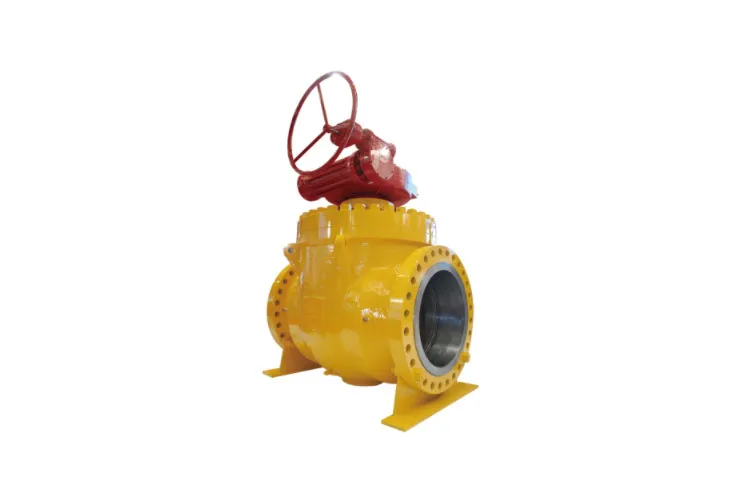
Trunnion mounted ball valves are a specialized type of ball valve designed for high pressure, large diameter, and demanding pipeline service. Unlike Floating ball valves, the trunnion ball valve incorporates a fixed ball supported by trunnion bearings at both ends. These trunnion supports absorb the line pressure and minimize the operating torque required for actuation.
Manual operation can be impractical for large or remote pipeline systems. Automation enables remote, precise, and safe valve control—essential for process optimization, on/off isolation, emergency shutdown (ESD), and integration within SCADA and DCS systems.
2. Core Principles of Trunnion Mounted Ball Valve Automation
Trunnion mounted ball valve automation leverages actuators to open, close, or modulate valves via electric, pneumatic, hydraulic, or hybrid means. Key automation objectives include:
Automated trunnion mounted ball valves are indispensable in pipelines, oil & gas production, chemical processing, power plants, and water/wastewater facilities.
3. Types of Trunnion Mounted Ball Valve Automation Options
Several automation solutions are available for trunnion mounted ball valves. Each actuator technology has specific strengths for different application needs.
Double Acting Pneumatic Actuator: Uses air pressure to both open and close the valve. Suitable for precise, repeatable actuation with high cycling frequency.
Spring Return (Single Acting): Air pressure actuates one direction; return is accomplished by a built-in spring, providing inherent fail-safe capability (fail-open or fail-close).
Advantages: Fast response, cost-effective, relatively simple, ideal for hazardous areas when paired with explosion-proof or intrinsically-safe solenoids.
Limitations: Requires compressed air supply (typically 5.5–8 bar), potential for icing/fouling in harsh climates.
Mounting: ISO 5211 pad for modular actuator installation; mounting kits for specific ball valve models.
AC/DC Motors: Provides torque to open and close the valve; available in multi-turn or quarter-turn configurations.
Explosion-Proof and Weatherproof: Enclosures often rated per NEC, ATEX, or IECEx standards.
Control Options: On/off, modulating duty, feedback signals (analog/digital), local/remote operation.
Benefits: No need for air or hydraulic lines, programmable, easy integration with modern digital control systems, low maintenance.
Considerations: Slower than pneumatic/hydraulic types, higher initial cost, may require UPS/Battery backup for ESD.
High Force Requirements: Supports very large and high-pressure valves where pneumatic or electric torque is insufficient.
Compact and Powerful: Delivers high torque in compact units, ideal for offshore or subsea environments.
Fail-Safe Options: Spring return or accumulator-driven hydraulic actuators provide fail-close/open in power loss events.
Downsides: Requires hydraulic fluid lines/reservoirs, careful maintenance to prevent leakage or contamination.
Hybrid Technology: Uses electric power to drive a hydraulic power unit integrated with the actuator assembly.
Best for Remote Locations: Where electric supply is available but hydraulic infrastructure is not.
Offers: High torque, programmable controls, battery backup for ESD, and reduced external piping.
Handwheel or Gearbox: Manual mechanical actuation in case of power, air, or hydraulic failure.
4. Comparison Table: Actuation Methods for Trunnion Mounted Ball Valves
| Actuator Type | Power Source | Typical Applications | Advantages | Limitations | Fail-Safe Options |
|---|---|---|---|---|---|
| Pneumatic | Compressed Air | General pipeline, process, ESD, frequent cycling | Fast action, inexpensive, reliable | Needs air supply, icing risk | Spring return (fail-open/fail-close) |
| Electric | Electricity (AC/DC) | Remote, intelligent control, modulating, clean environments | No air/hydraulic required, precise, digital integration | Slower, needs waterproof/explosion-proof enclosures | Battery/UPS backup or manual override |
| Hydraulic | Hydraulic Fluid | Large-diameter, high-pressure, subsea, pipeline ESD | High torque, small footprint | Requires fluid and lines, potential for leaks | Spring return or accumulator |
| Electro-Hydraulic | Electricity (internal hydraulic circuit) | Remote, high torque, off-grid or isolated sites | All-in-one design, battery ESD, less piping | Some complexity, initial cost | Inherent via spring/hydraulic module |
5. Key Advantages of Automated Trunnion Mounted Ball Valves
6. Standard Specifications for Trunnion Mounted Ball Valve Automation
Automated trunnion mounted ball valves are typically specified according to international standards and engineering best practices. Key parameters include:
| Feature | Description/Options |
|---|---|
| Valve Size | DN50–DN2000 (2″–80″) or custom |
| Pressure Class | ANSI 150, 300, 600, 900, 1500, 2500; PN16–PN420 |
| Body Material | Carbon Steel, Stainless Steel, Duplex, Super Duplex, Alloys |
| Seat/Seal Material | PTFE, RPTFE, Devlon, Peek, Metal-to-Metal |
| Actuator Types | Pneumatic (double/single acting), Electric (AC/DC), Hydraulic, Electro-Hydraulic |
| End Connection | Flanged (RF, RTJ), Butt-weld, Hub, Clamp |
| Fire Safe Design | API 607, ISO 10497 certified |
| Mounting Pad | ISO 5211 or custom actuator interface |
| Feedback Options | Mechanical limit switches, electronic position sensors, 4–20 mA transmitters |
| Enclosure Rating | NEMA 4/4X/6, IP66/IP67, ATEX/IECEx options |
| Compliance | API 6D, API 608, ISO 14313, PED, SIL, ATEX (as specified) |
7. Industry Applications for Automated Trunnion Ball Valves
Automated trunnion mounted ball valves play a critical role in several high-stakes industries due to their robust construction and automation compatibility. Key sectors include:
Oil & Gas: Gathering lines, trunk pipelines, tank farms, loading terminals, gas transmission, compressor/pumping stations, export/import facilities.
Petrochemicals/Chemicals: Reactors, product transfer, volatile or hazardous media requiring reliable shutoff and automation.
Power Generation: Cooling water systems, high-pressure steam lines, fuel gas isolation, plant utility distribution.
Water/Wastewater: Municipal water supply, industrial water management, critical isolation points, emergency release, or diversion.
Mining & Minerals: Slurry lines, tailings, process control, where robust, automated performance is essential.
Marine & Offshore: FPSOs, offshore platforms, loading/unloading arms, subsea pipeline control with hydraulic/electro-hydraulic actuators.
Pharmaceutical & Food: Clean or sanitary versions for hygienic processes requiring reliability and automation.
| Sector | Typical Media Handled | Common Valve Size/Pressure | Preferred Automation |
|---|---|---|---|
| Pipeline (Oil, Gas, Liquids) | Crude oil, refined products, natural gas, water | 4″–60″, ANSI 300–1500 | Pneumatic/Hydraulic/Electro-hydraulic |
| Chemical/Refining | Acids, solvents, process intermediates | 2″–24″, ANSI 150–600 | Electric/Pneumatic |
| Power Plants | Steam, condensate, cooling water, gas fuel | 6″–36″, ANSI 150–900 | Electric, Pneumatic |
| Water Utilities | Potable, industrial, process water | 8″–40″, ANSI 150–300 | Electric, Pneumatic |
| Offshore/Marine | Oil, gas, water, chemicals | 6″–48″, ANSI 600–1500+ | Hydraulic/Electro-hydraulic |
8. Safety and Compliance in Automated Ball Valve Systems
Safety and compliance are paramount when selecting and operating automated trunnion ball valve systems in hazardous or regulated environments. Mandatory and recommended safety features include:
Fire-Safe Construction: Certified to API 607 or ISO 10497, ensuring valve integrity during fire events.
Antistatic Design: Prevents static charge buildup between ball and stem (required for flammable service).
Leakage Class: Specified per international leakage standards (API 598, ISO 5208), including double block and bleed capability for critical isolation.
Emergency Shut-Down (ESD): Actuator with fail-safe mechanism (spring return/accumulator/battery backup/manual override) for rapid isolation.
Position Feedback: Limit switches, transmitters, and/or smart sensors enable confirmation, monitoring, and diagnostics.
Hazardous Area Certification: Explosion-proof and intrinsically safe actuators/controls compliant with ATEX, IECEx, FM, CSA, UL, and other norms.
Functional Safety: Actuators and controls supporting SIL (Safety Integrity Level) compliance (IEC 61508/61511) for critical shutdown applications.
Testing & Traceability: Factory acceptance testing (FAT), site acceptance testing (SAT), and calibration documentation per client/industry requirements.
9. Smart Automation and Digital Integration
Modern process plants demand intelligent trunnion ball valve automation options for advanced control and IIoT/Industry 4.0 compatibility. Features of smart automated ball valves include:
Position Feedback: Analog (4–20 mA), digital (Modbus, Profibus, Foundation Fieldbus, DeviceNet, HART) transmitters relay precise valve status.
Valve Diagnostics: Monitoring actuator health, cycle counts, torque curves, and early alerting on anomalies for predictive maintenance.
Partial Stroke Testing (PST): For critical ESD valves to verify functionality with minimal impact on process continuity.
Condition Monitoring: Real-time status, alarms, analytics for root-cause diagnostics and audit trails.
Remote Firmware Updates: For new features, security, and bug fixes—reducing downtime.
IIoT Gateway Integration: Connects valves to cloud platforms or DCS/PLC for asset management and process optimization.
| Component | Role in Smart Automation | Common Protocols/Features |
|---|---|---|
| Smart Actuator | Provides intelligence, diagnostics, programmable functions | Modbus, Profibus, Foundation Fieldbus, HART |
| Digital Positioner | Precise control, feedback, partial stroke, remote programming | 4–20 mA, digital protocol |
| Valve Controller | Higher-level process integration, logic, sequencing | Ethernet/IP, DCS/PLC connectivity, IIoT ready |
| Sensors & Gateway | Environmental monitoring, alarm relay, data aggregation | IoT protocol, cloud connectivity |
Investing in smart valve automation enhances reliability, predictive maintenance, compliance, and overall process ROI.
10. Selection Guide: Choosing the Right Trunnion Ball Valve Automation Option
Choosing the ideal automation method for a trunnion mounted ball valve depends on several factors relating to the application, desired features, and environmental constraints.
Operating Torque Requirement:
Power Source Availability:
Speed of Operation:
Fail-Safe Function:
Control Type:
Environmental & Area Classification:
Maintenance and Lifecycle Costs:
Integration with Digital/SCADA Systems:
| Application Scenario | Recommended Actuator Type | Key Benefits |
|---|---|---|
| Frequent, Rapid On/Off (e.g., ESD, compressor stations) | Pneumatic (spring return or double acting) | High speed, fail-safe options, robust for cycling |
| High Torque/Heavy Duty (large or high-pressure valves) | Hydraulic or electro-hydraulic | Very high output, compact, reliable for demanding service |
| Off-grid/Remote Locations | Electro-hydraulic with battery backup | Independent operation, minimal infrastructure requirements |
| General Plant Automation, Digital Integration | Electric (with smart controller) | Programmable, integration-ready, low maintenance |
11. Frequently Asked Questions (FAQ) About Trunnion Mounted Ball Valve Automation
A: Trunnion mounted ball valves have fixed support at both ends of the ball, significantly reducing the operating torque, which allows for easier and more reliable actuation—maximum benefit for automated operation, especially in large sizes and high-pressure service.
A: Pneumatic actuators (spring return) are typically fastest, with response time under 1 second possible for smaller/medium valves. Hydraulic actuators can also provide instantaneous closure for large/critical duty.
A: While ball valves are primarily designed for on/off isolation, special trunnion ball valve trims or V-port balls with electric or pneumatic modulating actuators can provide effective flow control.
A: Via limit switches (mechanical or electronic), analog feedback transmitters (e.g., 4–20 mA), or integrated digital smart positioners supporting protocols like Modbus, Profibus, HART, etc.
A: PST allows for periodic verification that ESD/critical valves are not stuck or blocked—they are briefly, partially stroked (without full process interruption) to confirm readiness for emergency action.
A: Routine inspection of actuator, control system, seals, and feedback devices; scheduled preventative maintenance; monitoring for leaks, cycling issues, or electronic faults with diagnostic-capable actuators.
A: Yes, provided the valve includes an ISO 5211 mounting pad or gearbox interface. Retrofit kits are available for pneumatic, electric, or hydraulic actuators.
A: ATEX, IECEx, FM, CSA, UL certifications for actuator enclosures; compliance with local and international hazardous area requirements.
12. Conclusion: Optimizing Your Trunnion Ball Valve Automation Strategy
Automated trunnion mounted ball valves are the backbone of modern pipeline and process control systems, offering reliable on/off isolation, safety, compliance, and remote operation. By understanding the automation options—whether pneumatic, electric, hydraulic, or hybrid—you can optimize performance, minimize risk, and maximize the value of your process piping infrastructure.
Always assess your unique process requirements, operating environment, and digital integration goals before specifying trunnion ball valve automation. When properly selected and maintained, automated trunnion ball valves deliver years of dependable service, transforming manual pipeline operations into smart, efficient, and safe process assets.
For more information about trunnion mounted ball valve automation options, visit our Valve Automation Resource Center or consult industry standards such as API 6D, ISO 14313, and ISO 5211.
888;”>
© 2024 ValveAutomationKnowledgeBase.com — All content is original and suitable for industry use, not for promotional purposes. No company or brand recommendations included.
“`
—
This HTML document covers:
– Definitions, advantages, and comparison of each automation type
– Detailed tables for actuator selection, specifications, and industry applications
– Key safety and compliance notes
– Guidance for selection and FAQs
– SEO keyword saturation and best practice HTML structure
If you need this as a file or require sections for subpages/directory navigation, please let me know!
شخص رابط: مکس.سونگ (سونگشان)
عنوان: مدیر کل
موبایل: +86 15611322632
تلفن: +86 10 89282693
ایمیل: international@bvmc.com
آدرس: پلاک ۳، جاده لوهای، شهر پانگژوانگ، منطقه داکسینگ، پکن


حق چاپ © Beijing Valve Factory Co., Ltd
نقشه سایتاین وب سایت از کوکی ها استفاده می کند تا اطمینان حاصل شود که بهترین تجربه را در وب سایت ما به دست می آورید.




 Phone