Double Offset Butterfly Valve for Steam Applications: Complete Guide, Specs and Advantages
Double Offset Butterfly Valve for Steam Applications: Complete Technical Guide
Double offset butterfly valves are widely used in modern steam systems as reliable shut‑off and control valves. This page provides a detailed, SEO‑friendly and technically accurate overview of double offset butterfly valves for steam applications, including definitions, working principles, advantages, typical specifications, and best‑practice selection and installation guidelines.
1. What Is a Double Offset Butterfly Valve for Steam Applications?
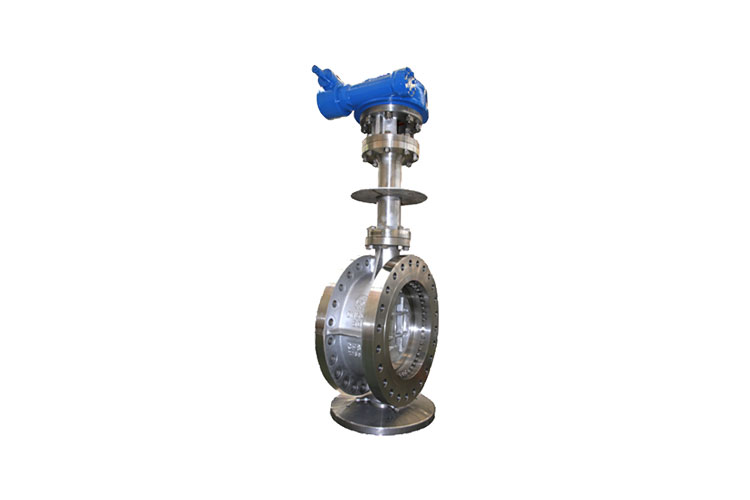
A double offset butterfly valve (also called double eccentric butterfly valve or high‑performance butterfly valve) is a quarter‑turn valve in which the valve disc is offset in two ways from the valve body centerline. This geometry reduces friction between the disc and seat, improves sealing performance, and enables reliable operation in high‑temperature steam applications.
When adapted for steam service, the double offset butterfly valve is designed to withstand elevated temperatures, pressure fluctuations, and the erosive and corrosive effects of saturated or superheated steam. Industry‑appropriate materials, steam‑rated pressure classes, and specific seat designs make these valves suitable for boiler plants, district heating networks, power generation, and industrial process steam systems.
1.1 Double Offset vs. Conventional Butterfly Valve
The key feature that differentiates a double offset butterfly valve from a concentric (centric) butterfly valve is the disc and stem geometry.
- First offset: The stem is displaced horizontally from the valve seat centerline. This avoids continuous rubbing between disc and seat during operation.
- Second offset: The stem is displaced vertically from the pipeline centerline. This creates a cam‑like motion as the valve opens and closes, ensuring the disc quickly disengages from the seat.
In steam applications, this offset design minimizes seat wear, reduces operating torque, and allows the valve to maintain tight shut‑off at high pressures and temperatures.
1.2 Typical Steam Service Ranges
Depending on design and materials, a double offset butterfly valve for steam can be applied across a wide range of conditions:
- Steam type: Saturated steam, superheated steam, clean steam (with appropriate design)
- Pressure range: Typically from low pressure up to ASME Class 150, Class 300, or higher depending on the model
- Temperature range: Approximately 150 °C to 450 °C or beyond with specialized metal seats and high‑temperature materials
2. Working Principle of Double Offset Butterfly Valve in Steam Systems
A double offset butterfly valve is a quarter‑turn valve. The disc rotates 90 degrees between fully open and fully closed positions.
2.1 Opening and Closing
- Closed position: The disc is pressed against the seat, creating a tight seal. The double offset geometry ensures a line or limited area of contact rather than full‑surface rubbing.
- Opening: As the stem rotates, the disc immediately lifts off the seat due to the eccentric offsets. Friction and wear are minimized, even under high steam pressure.
- Intermediate position: The valve can throttle steam flow, though throttling capability depends on disc and seat design, as well as cavitation and noise considerations.
- Fully open: The disc is nearly parallel to the flow, providing a relatively large, unobstructed flow path and low pressure drop compared to some globe valves.
2.2 Flow Characteristics in Steam Applications
For steam service, the valve is often characterized as having an approximately equal percentage or modified flow characteristic, which provides good control at low openings and stable behavior at higher loads. However, the primary use in many steam lines is on/off isolation, where the valve remains fully open or fully closed most of the time.
Due to the compressible nature of steam, special attention must be paid to flow velocity, noise, and potential erosion at partially open positions, especially in high‑pressure, high‑temperature superheated steam systems.
3. Advantages of Double Offset Butterfly Valve for Steam Applications
Double offset butterfly valves provide several benefits compared to other valve types used for steam, such as gate valves, globe valves, and concentric butterfly valves.
3.1 Key Advantages
- High temperature and pressure capability thanks to robust body design, steam‑resistant seats, and metal‑to‑metal sealing options.
- Bubble‑tight or near zero leakage shut‑off when properly specified, making them suitable for isolation of steam lines and condensate return lines.
- Lower torque and smaller actuators than many other high‑pressure steam valves, reducing automation cost and footprint.
- Compact, lightweight design compared with gate and globe valves, especially in larger diameters and higher pressure classes.
- Reduced seat wear due to the double offset geometry that minimizes friction during opening and closing.
- Good control capability when designed as a control valve for modulating steam flow, with suitable trim selection.
- Bidirectional sealing (in many designs), allowing flexible installation and improved safety in steam distribution networks.
3.2 Comparison with Other Valve Types for Steam
Comparison of Valve Types for Steam Service
Valve Type |
Typical Use in Steam |
Shut‑off Performance |
Pressure Drop |
Size / Weight |
Cost Level |
Control Capability |
Double Offset Butterfly Valve |
Isolation and throttling in medium to high pressure steam lines |
High, bubble‑tight with proper seat |
Low to medium |
Compact, light in large sizes |
Moderate |
Good with correct trim |
Gate Valve |
On/off isolation of steam pipelines |
Generally good shut‑off |
Very low when fully open |
Bulky and heavy in large diameters |
Higher in large sizes |
Poor for throttling |
Globe Valve |
Steam pressure and flow control |
Excellent with proper trim |
Higher pressure drop |
Heavier than butterfly valves |
High for large sizes |
Excellent throttling |
Concentric Butterfly Valve |
Low pressure or low temperature steam (limited) |
Moderate, seat wear risk at high temp |
Low |
Very compact |
Low |
Moderate |
4. Design Features of Double Offset Butterfly Valve for Steam
Several design features are specific to double offset butterfly valves intended for steam service. These features ensure adequate mechanical strength, reliable sealing, and long service life in harsh high‑temperature environments.
4.1 Double Offset Geometry
The two offsets between the disc and the body centerlines reduce sliding contact. This is critical in steam applications because high temperature steam can reduce lubrication, accelerate wear, and cause galling or sticking if the valve has large sliding contact areas.
4.2 Body Design and End Connections
Common body types for steam‑rated double offset butterfly valves include:
- Wafer type: Clamped between flanges; compact and lightweight, typically for lower pressure classes or where easy removal is needed.
- Lug type: Threaded lugs allow installation between flanges with bolts; can often be used for dead‑end service depending on design.
- Flanged type: Full flanged ends providing robust connection and good alignment; common for higher pressure steam lines.
End connections are typically in accordance with ASME B16.5 or equivalent standards for steam pipelines.
4.3 Disc and Shaft (Stem)
The valve disc must withstand pressure forces, temperature gradients, and potential erosion from high‑velocity steam. Shafts are usually made from high‑strength stainless or alloy steels. For steam service:
- Disc geometry is optimized to minimize turbulence and erosion in partially open positions.
- Shaft sealing is designed to maintain tightness despite thermal expansion and vibration.
- Blow‑out proof shaft designs are often used for safety.
4.4 Seat Design: Soft Seat vs. Metal Seat
The seat design is critical when selecting a double offset butterfly valve for steam:
- Soft seat (resilient seat):
- Materials: PTFE, reinforced PTFE, high‑temperature elastomers.
- Application: Low to medium temperature steam, where tight shut‑off and low leakage are required.
- Limitation: Upper temperature limit determined by material; may not be suitable for high‑temperature superheated steam.
- Metal seat (metal‑to‑metal sealing):
- Materials: Stellite or other hard‑faced alloys, stainless steel, nickel‑based alloys.
- Application: High temperature, high pressure superheated steam and erosive conditions.
- Advantage: Excellent resistance to high temperatures and pressure fluctuations.
- Trade‑off: Bubble‑tight shut‑off may be more difficult to achieve than with soft seats; leakage class must be evaluated according to standards.
4.5 Steam‑Rated Materials
Typical materials used for double offset butterfly valves in steam applications include:
Common Materials for Steam‑Service Double Offset Butterfly Valves
Component |
Common Materials |
Key Properties for Steam |
Body |
Carbon steel (e.g., A216 WCB), low alloy steel, stainless steel (e.g., CF8M) |
High strength, temperature resistance, compatibility with boiler and piping materials |
Disc |
Stainless steel, duplex stainless, high‑temperature alloys |
Corrosion and erosion resistance in wet and dry steam |
Shaft / Stem |
Stainless steel (e.g., 410, 431, 17‑4PH) |
High strength, fatigue resistance, temperature stability |
Seat |
PTFE, reinforced PTFE, high‑temp elastomers, hard‑faced alloys |
Sealing capability, thermal stability, resistance to wear |
Gland Packing |
Graphite, graphite with corrosion inhibitors |
High‑temperature sealing against stem leakage |
Gaskets |
Spiral wound metallic gaskets, graphite gaskets |
Steam tightness and resistance to thermal cycling |
4.6 Actuation: Manual, Pneumatic, Electric
Double offset butterfly valves for steam can be actuated in several ways:
- Manual lever: For small diameter and low torque applications; mainly for simple isolation of small steam lines.
- Gear operator: For larger sizes where torque is higher; ensures safe and controlled manual operation.
- Pneumatic actuator: Common in industrial steam control systems for rapid and reliable operation, integrated with positioners and control loops.
- Electric actuator: Used when compressed air is unavailable, or for remote actuation and integration with plant automation systems.
5. Typical Steam Applications for Double Offset Butterfly Valves
Double offset butterfly valves are used across a broad range of steam applications in various industries.
5.1 Power Generation and Boiler Plants
- Main steam line isolation
- Auxiliary steam systems
- Boiler feedwater preheater bypass lines (where suitable)
- Condenser steam extraction systems
5.2 District Heating and HVAC Steam Systems
- District heating steam distribution lines
- Building‑level steam isolation
- Heat exchanger steam inlet and outlet isolation
5.3 Industrial Process Steam
- Textile, paper, and pulp drying processes
- Chemical and petrochemical process steam lines
- Food and beverage process heating (with suitable material and cleanliness requirements)
- Pharmaceutical and clean steam systems (using specially designed valves)
5.4 Utility and Auxiliary Steam Systems
- Steam tracing circuits
- Steam jacketed piping systems
- Condensate recovery and flash steam systems
6. Typical Specifications for Double Offset Butterfly Valve for Steam Applications
When specifying a double offset butterfly valve for steam applications, several key parameters should be defined. The following table provides example specification data for general guidance. Actual values must always be verified against applicable standards and project requirements.
Example Specification Table: Double Offset Butterfly Valve for Steam
Parameter |
Typical Options / Values for Steam Service |
Nominal Size (DN / NPS) |
DN 50 – DN 1200 (NPS 2″ – 48″) and larger on request |
Pressure Rating |
ASME Class 150, Class 300, sometimes Class 600 depending on design |
Temperature Range |
Approximately −29 °C to 400 °C or higher for metal seated designs |
Body Material |
Carbon steel (WCB), stainless steel (CF8M), low alloy steel for higher temperatures |
Disc Material |
Stainless steel, duplex stainless steel, or alloy steel |
Seat Type |
Soft seat (PTFE, reinforced PTFE, high‑temp elastomer) or metal seat (hard‑faced) |
Seat Leakage Class |
According to IEC 60534‑4 or ISO 5208; e.g., Class VI for soft seat, Class IV–V for metal seat |
Face‑to‑Face Dimension |
EN 558, API 609, or manufacturer’s standard for high‑performance butterfly valves |
End Connections |
Wafer, lug type, or flanged to ASME B16.5 or EN standards |
Actuation |
Manual lever, gear operator, pneumatic actuator, electric actuator |
Stem Sealing |
Graphite packing, high‑temperature gland design, live‑loaded packing in critical applications |
Design Standards |
API 609 (Category B), ASME B16.34, EN 593, or equivalent |
Testing Standards |
API 598, ISO 5208, EN 12266‑1 for pressure and leakage testing |
Installation Orientation |
Horizontal or vertical pipelines, with consideration of flow direction and actuator clearance |
7. How to Select a Double Offset Butterfly Valve for Steam Applications
Correct selection of a double offset butterfly valve for steam service is essential for safety, reliability, and long‑term performance. The following step‑by‑step approach can be used.
7.1 Define Process Conditions
- Steam type: saturated, superheated, or clean steam.
- Operating pressure (normal and maximum).
- Operating temperature (normal and maximum), including startup and shutdown conditions.
- Flow rate, flow direction, and whether the valve is used for isolation, throttling, or both.
7.2 Determine Pressure Class and Size
The valve pressure class must be suitable for the design pressure of the steam system, typically according to ASME or comparable standards. The nominal size is generally based on the pipeline size, but actual selection may involve:
- Required flow coefficient (Cv or Kv).
- Allowable pressure drop across the valve.
- Noise and vibration considerations in high‑velocity steam.
7.3 Choose Seat Type and Materials
- For low to medium temperature steam where bubble‑tight shut‑off is essential, a high‑temperature soft seat may be chosen.
- For high temperature superheated steam or severe conditions, a metal seat double offset butterfly valve is usually preferred.
- Seat and disc materials should be matched to avoid galling and to resist corrosion and erosion.
7.4 End Connections and Face‑to‑Face Dimensions
Compatibility with existing piping is critical:
- Select wafer, lug, or flanged end connections that match project standards.
- Verify face‑to‑face dimensions to ensure easy replacement of existing valves without major piping modification.
7.5 Actuation and Control
For automated steam systems, specify:
- Actuator type: pneumatic or electric.
- Fail‑safe position: fail‑open or fail‑closed, depending on process safety requirements.
- Control accessories: positioner, solenoid valves, limit switches, and feedback signals for process control integration.
7.6 Compliance with Standards
Ensure the double offset butterfly valve complies with applicable design and testing standards for steam service. Commonly referenced standards include API 609, ASME B16.34, and ISO 5208 for seat leakage testing.
8. Installation Guidelines for Double Offset Butterfly Valve in Steam Pipelines
Proper installation is crucial for the safe and efficient performance of a double offset butterfly valve in steam applications. The following best practices are generally recommended.
8.1 Pre‑Installation Checks
- Verify valve specifications (size, pressure class, materials, end connections) against piping and design documents.
- Inspect the valve for damage, debris, or corrosion that may have occurred during shipping or storage.
- Confirm the correct installation orientation relative to flow direction if the valve is not fully bidirectional.
8.2 Piping Preparation
- Ensure flanges are clean, properly aligned, and free of weld spatter or foreign materials.
- Check that gasket surfaces are in good condition and compatible with steam service.
- Support piping near the valve to prevent excessive loads on the valve body.
8.3 Valve Position During Installation
For most double offset butterfly valves, it is recommended to install the valve in the partially open position to prevent damage to the disc edge and seat. Follow manufacturer guidelines on the recommended disc angle during bolting or welding operations.
8.4 Bolt Tightening and Gasket Compression
- Use appropriate bolt materials and sizes matching the flange rating.
- Tighten bolts in a cross pattern to ensure even compression of gaskets and proper centering of the valve.
- Avoid over‑tightening, which can distort the valve body and affect sealing performance.
8.5 Actuator Mounting and Calibration
- If the valve is supplied without actuator, ensure correct installation of the actuator according to ISO mounting interfaces.
- Check that the actuator travel corresponds precisely to the valve disc movement (0–90 degrees).
- Set open and closed end stops. Verify that the valve reaches full open and full closed positions.
8.6 Commissioning in Steam Service
- Perform hydrostatic and seat leakage tests as required by standards and project specifications.
- Gradually introduce steam to the system to allow slow heating of the valve and piping.
- Monitor for external leaks at body joints and stem packing.
- Cycle the valve under operating conditions to confirm smooth operation and correct actuation.
9. Maintenance and Troubleshooting in Steam Applications
Although double offset butterfly valves are designed for low maintenance, steam service can be demanding. Regular inspection and preventive maintenance help extend valve life and ensure reliable operation.
9.1 Routine Inspection
- Visually inspect actuator and mounting hardware for signs of loosening or corrosion.
- Check stem packing area for leakage or signs of steam escape.
- Listen for unusual noise, vibration, or flutter when the valve is operating in partially open positions.
9.2 Stem Packing Adjustment and Replacement
Over time, gland packing may relax due to thermal cycles in steam service. Typical maintenance actions include:
- Gradual tightening of gland followers to restore stem sealing, following manufacturer torque recommendations.
- Periodic replacement of packing rings with high‑temperature graphite or equivalent materials.
9.3 Seat and Disc Inspection
If leakage across the valve increases beyond acceptable limits, the disc and seat should be inspected:
- Look for erosion, pitting, or scoring on sealing surfaces.
- Check for deformation or wear of soft seat inserts.
- In metal‑seated valves, evaluate the condition of hard‑faced layers.
9.4 Common Issues in Steam Service
Typical Issues and Mitigation for Double Offset Butterfly Valves in Steam
Issue |
Possible Cause |
Suggested Actions |
Leakage at closed position |
Seat wear, debris trapped, misalignment, insufficient closing torque |
Clean internals, verify actuator torque, adjust travel stops, replace or re‑lap seat if needed |
Stem packing leakage |
Packing relaxation, damage due to thermal cycling |
Tighten gland follower, replace packing with high‑temperature graphite packing |
High operating torque |
Foreign objects in valve, seat deformation, incorrect actuator sizing |
Inspect for obstructions, verify actuator selection, check alignment and installation |
Vibration and noise |
High flow velocity, cavitation, operation near critical positions |
Re‑evaluate valve sizing, adjust control strategy, consider trim changes |
10. Frequently Asked Questions About Double Offset Butterfly Valves for Steam
10.1 Can a double offset butterfly valve be used for both saturated and superheated steam?
Yes, a properly designed and specified double offset butterfly valve can be used for both saturated steam and superheated steam. The key is to select suitable body and trim materials, as well as a seat design (soft or metal seat) that can tolerate the maximum temperature and pressure.
10.2 Are soft‑seated double offset butterfly valves suitable for high‑temperature steam?
Soft‑seated designs can work for medium temperature steam, but they have an upper temperature limit determined by the soft seat material (e.g., PTFE or elastomer). For sustained high‑temperature or superheated steam service, metal‑seated double offset butterfly valves are usually recommended.
10.3 What standards apply to double offset butterfly valves for steam applications?
Commonly referenced standards include:
- API 609 – Butterfly valves: double‑offset high‑performance types.
- ASME B16.34 – Valves: flanged, threaded, and welding end.
- ASME B16.5 – Pipe flanges and flanged fittings.
- ISO 5208 / EN 12266‑1 – Pressure testing of metallic valves.
- Relevant boiler and pressure vessel codes for the specific installation region.
10.4 Can double offset butterfly valves be used for throttling steam flow?
Yes, double offset butterfly valves are often used for throttling or control of steam flow, particularly when equipped with appropriate actuators and positioners. However, careful attention must be paid to valve sizing, noise, cavitation potential, and wear at partially open positions.
10.5 How does a double offset butterfly valve differ from a triple offset butterfly valve in steam service?
Both double and triple offset butterfly valves use eccentric geometry to reduce seat wear. A triple offset butterfly valve adds a third geometric offset and a conical seat, further reducing friction and enabling very high pressure and temperature capability with superior metal‑to‑metal sealing. For many standard steam applications, a double offset butterfly valve provides adequate performance with a more economical design. Triple offset valves are typically used in more severe or critical service conditions.
A double offset butterfly valve for steam applications offers a balanced combination of high performance, compact design, and cost‑effectiveness. By understanding the specific requirements of steam systems—such as pressure, temperature, and control needs—engineers can select double offset butterfly valves that provide reliable isolation and throttling over long service lives.
When correctly specified, installed, and maintained, double offset butterfly valves deliver excellent results in power generation, district heating, and industrial process steam applications, making them a key component in modern steam distribution and control systems.
“`






 Phone